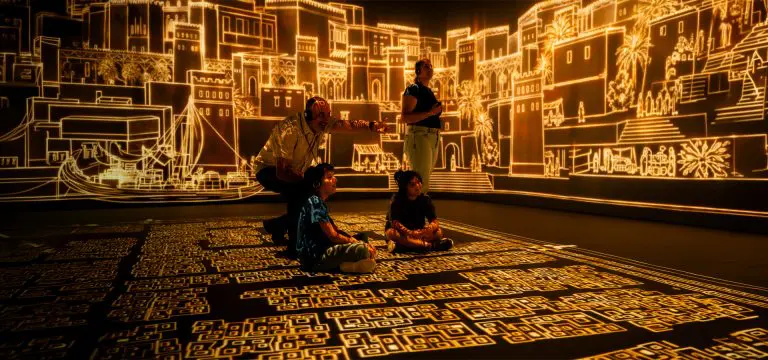
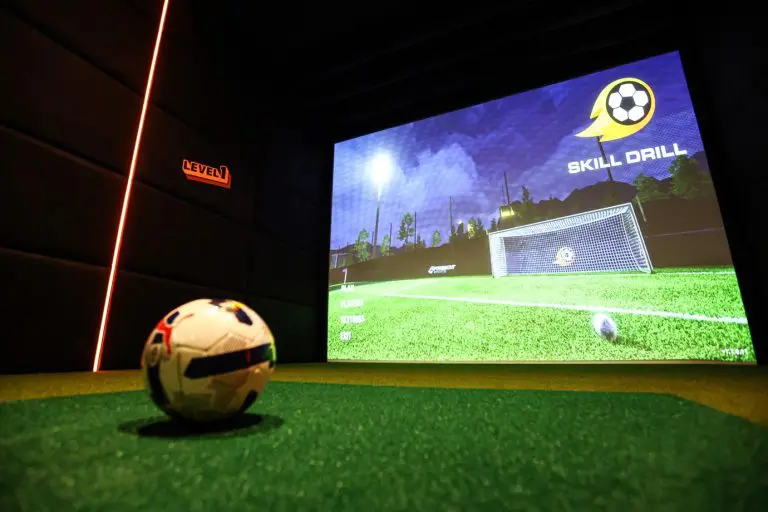
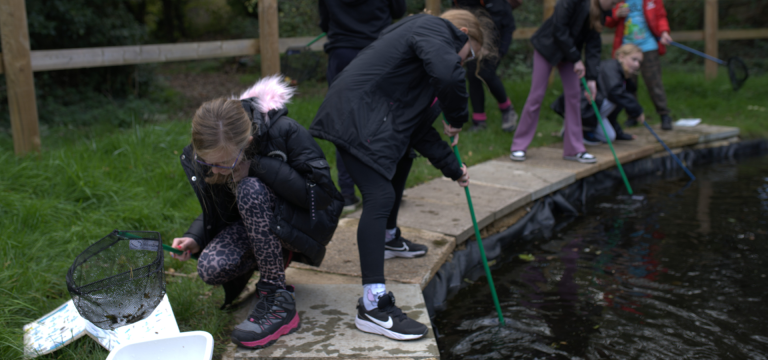
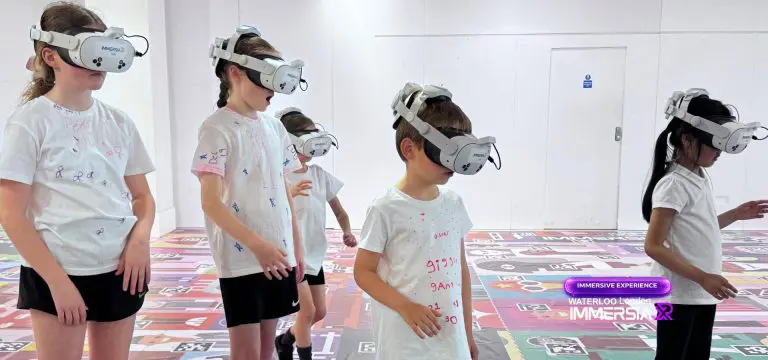
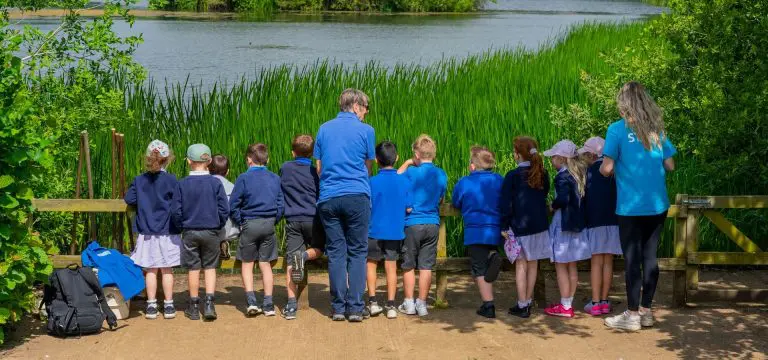
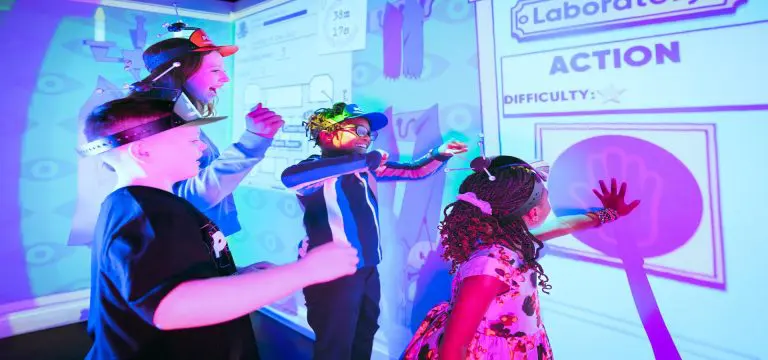
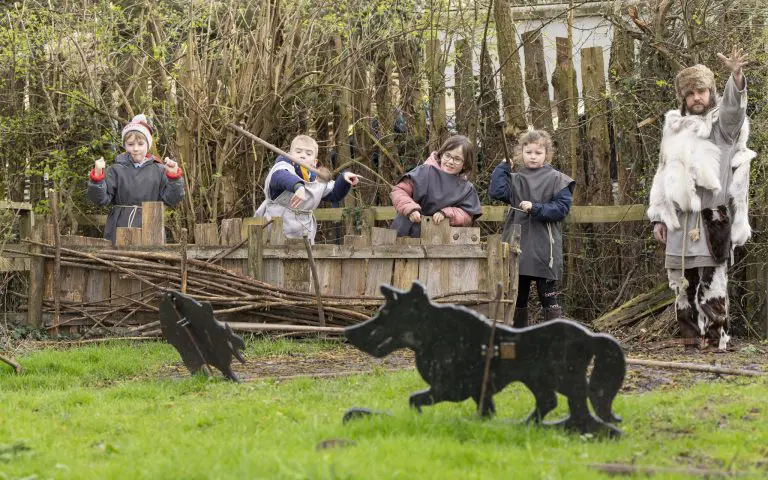
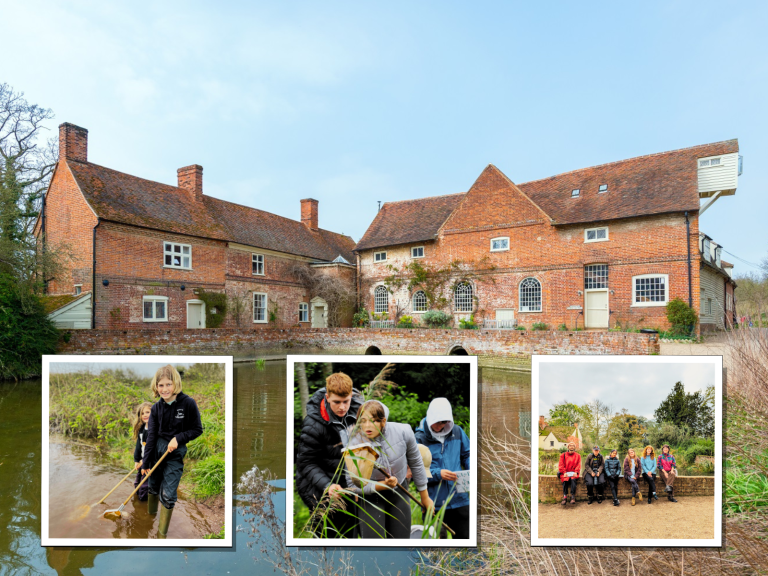
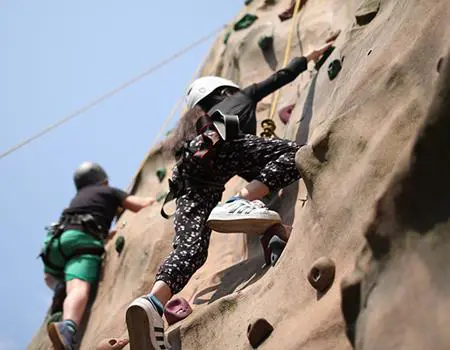
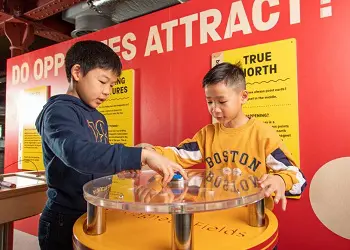
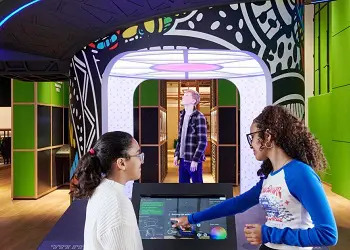
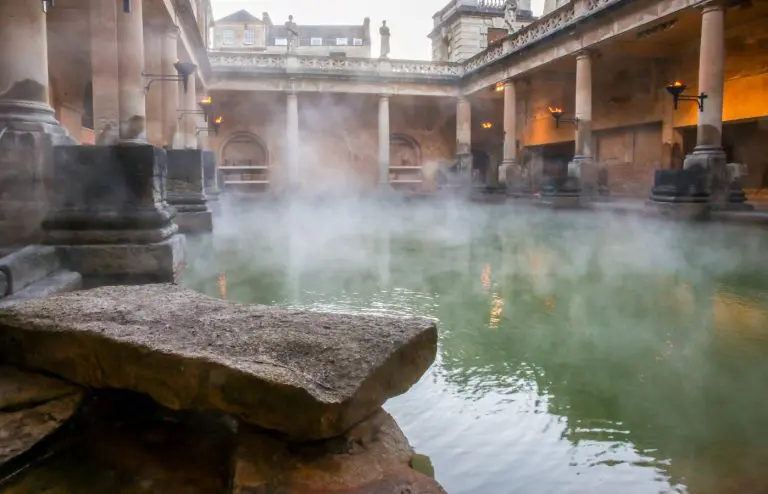
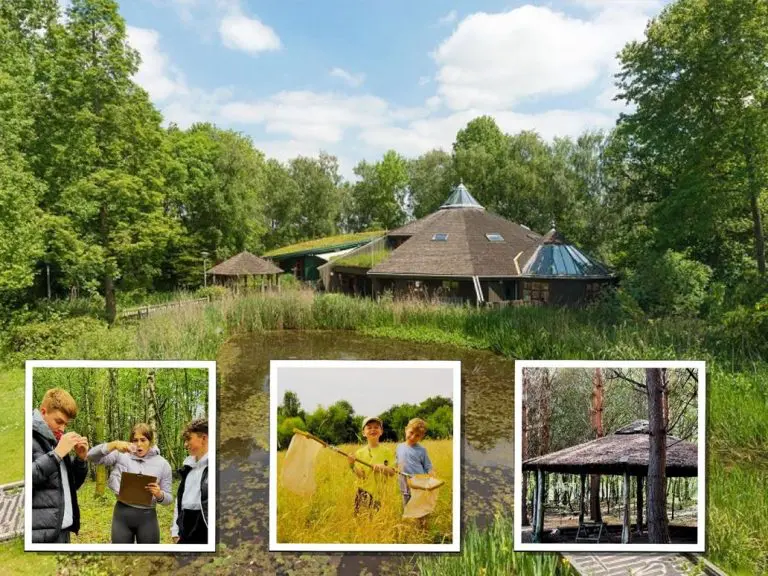
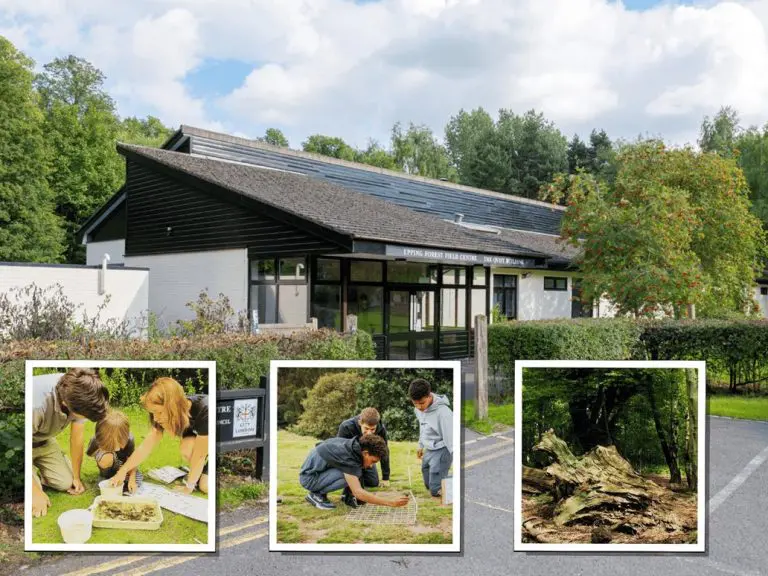
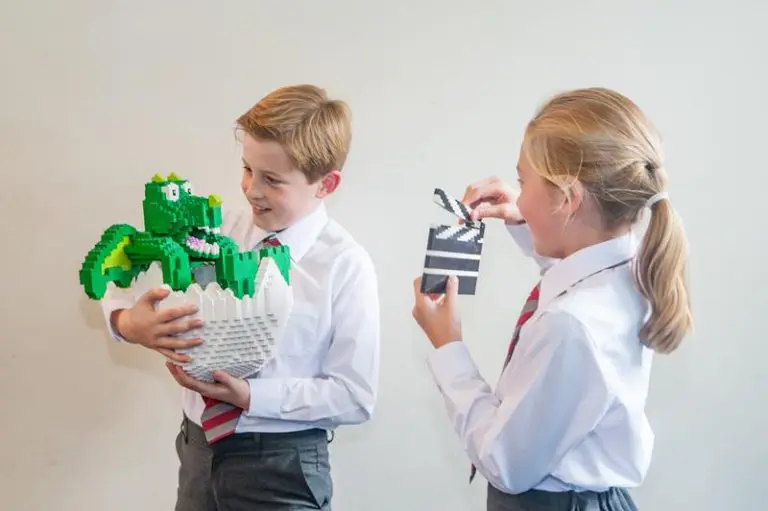
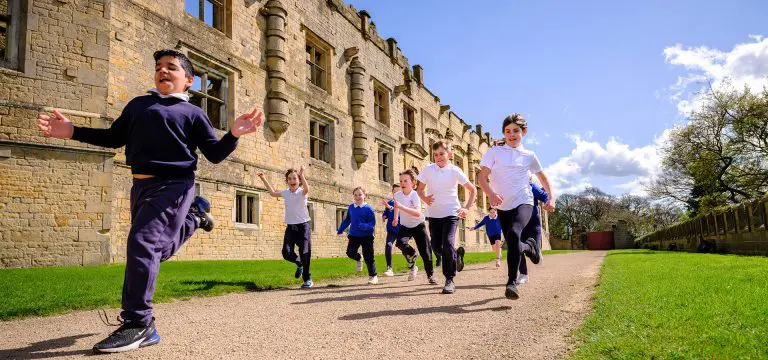
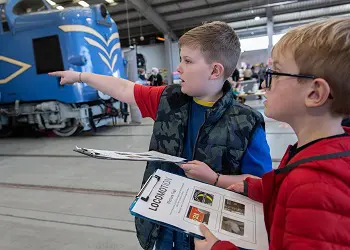
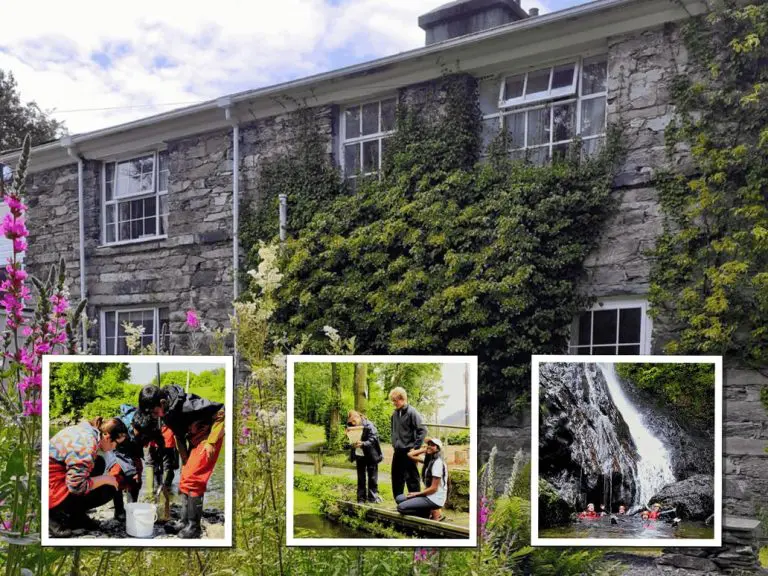
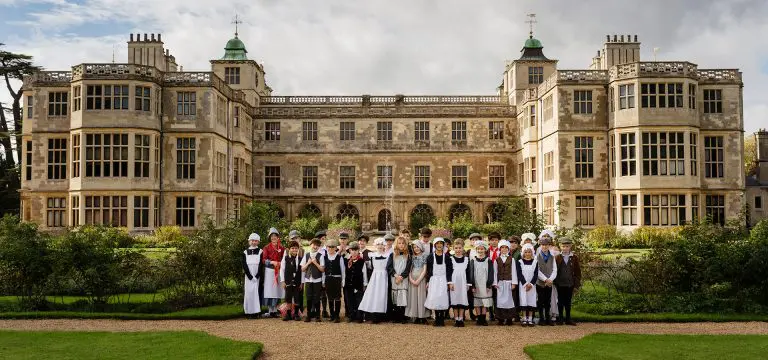
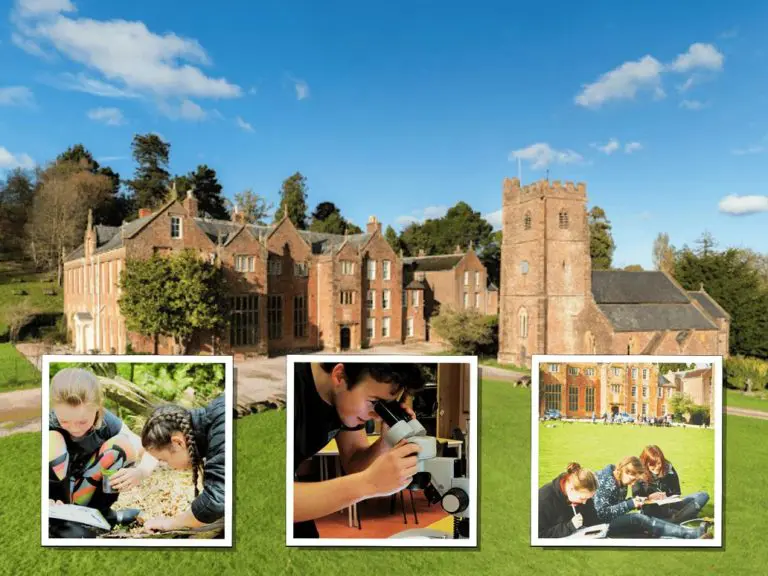
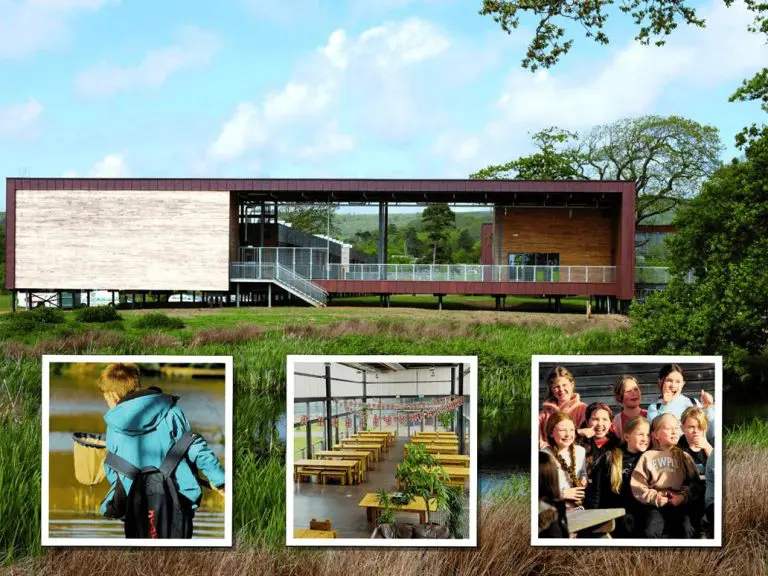
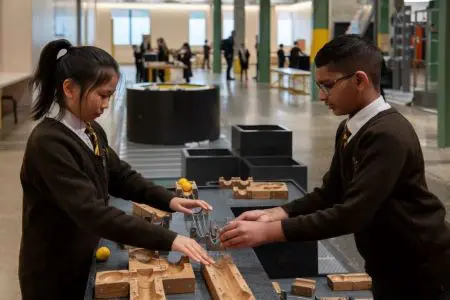
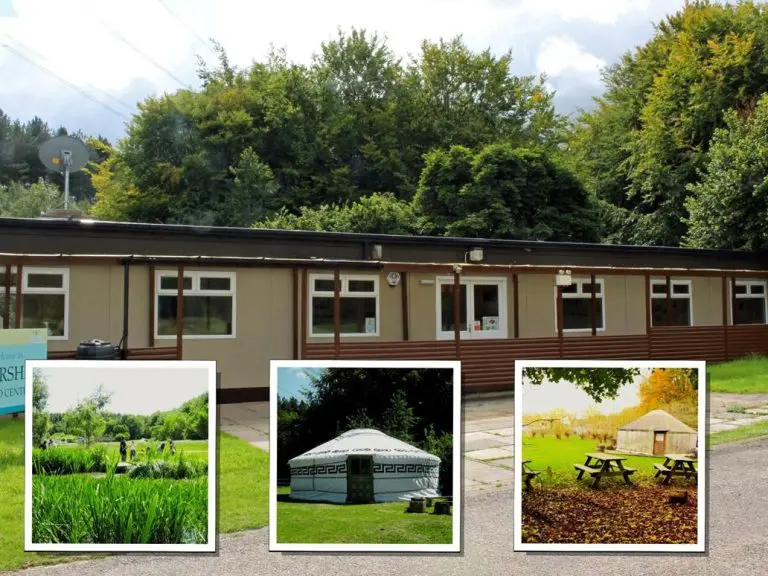
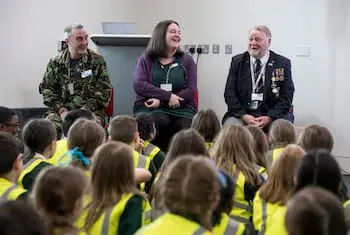
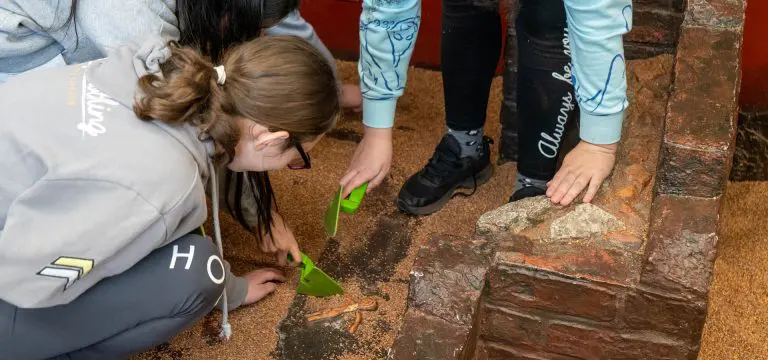
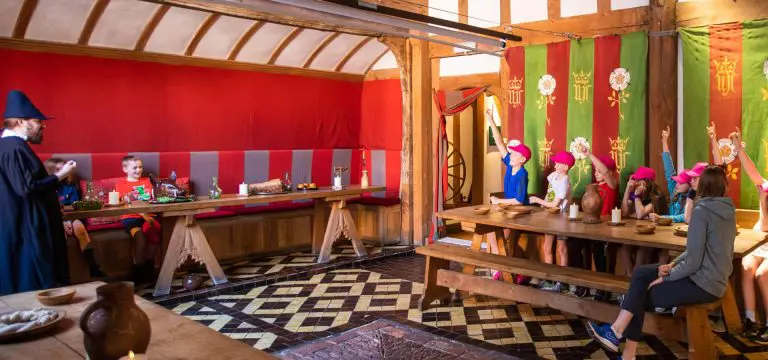
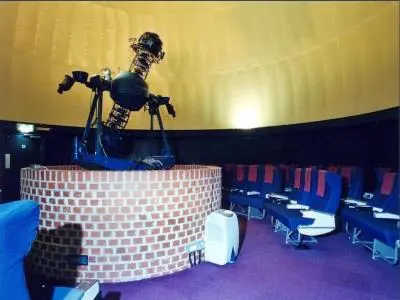
A school trip to a discovery centre offers a dynamic and invaluable educational experience, moving learning outside the traditional classroom. These centres, which often specialise in areas like Science, Technology, Engineering, and Math (STEM), but can also focus on storytelling or history, are designed to make learning interactive and fun for visiting educational groups. Discovery centres are filled with hands-on exhibits that encourage students to touch, experiment, and explore concepts directly. This immersive environment stimulates natural curiosity, allowing children of all ages to engage with complex topics in a tangible, memorable way. A student might experience building a circuit, experiencing a 3D planetarium show, or solving a forensic science mystery, the primary goal is to inspire curiosity-driven exploration and cultivate a lifelong love for learning.
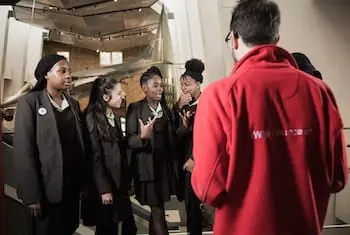
The advantages of a discovery centre school trip enrichment experience extend far beyond simple subject knowledge. The hands-on learning approach significantly enhances comprehension and retention, as students connect concepts to real-world applications by doing rather than just listening. Furthermore, these trips are crucial for developing essential soft skills. Working through interactive challenges and group workshops such as building bridges or running water cycle experiments requires students to practice teamwork, communication, and problem-solving. These structured social play and shared activities also help build social skills, confidence, and emotional intelligence in a supportive, exciting environment that celebrates different learning styles and encourages asking questions.
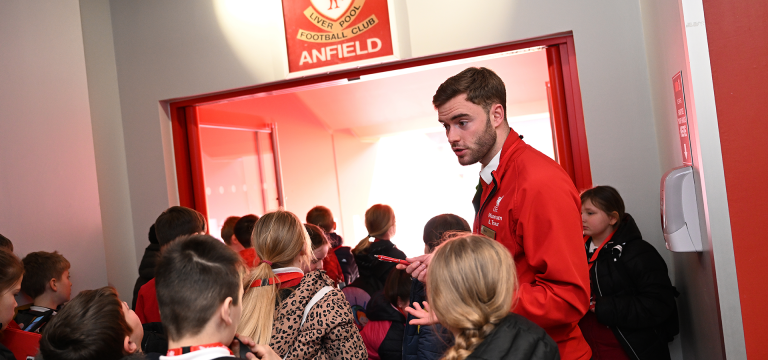
They tailor their activities to align with different stages of the national curriculum, ensuring the trips are academically relevant. For younger students Early Years to Primary activities may often include interactive themed role-play to science experiments like slime and bath bomb making. Secondary students might engage in more complex workshops like DNA forensics, advanced engineering challenges, or exploring astrophysics in a planetarium. Many centres also offer resources for teachers, including pre-visit materials and curriculum-linked worksheets, to help integrate the day’s discoveries back into classroom lessons. By offering diverse, engaging, and often bespoke programs, discovery centres serve as a powerful supplement to classroom teaching, igniting a passion for subjects like science, innovation, and creativity in students.