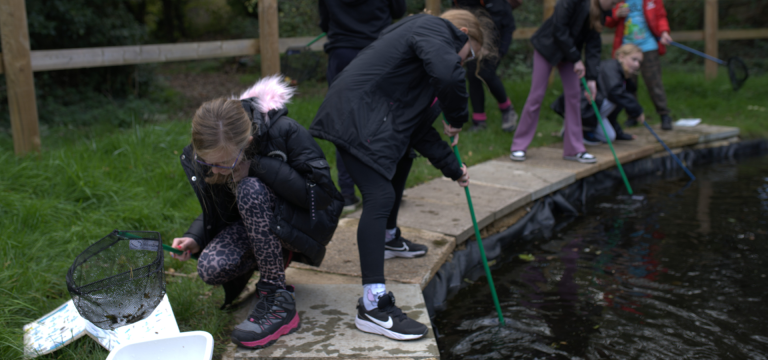
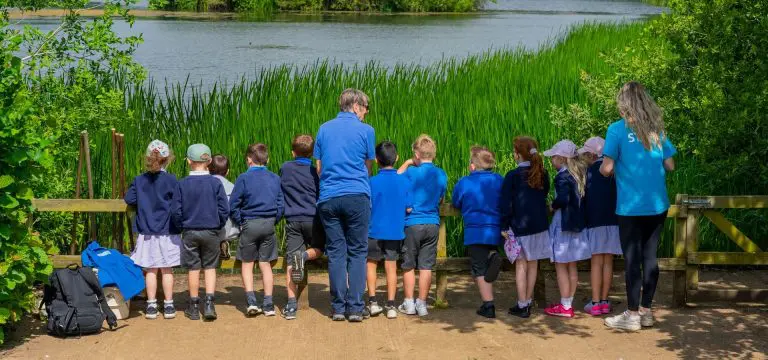
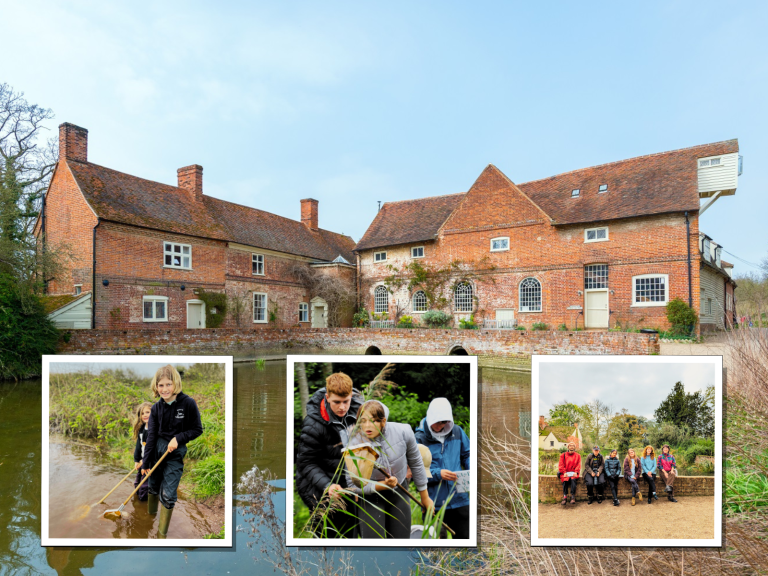
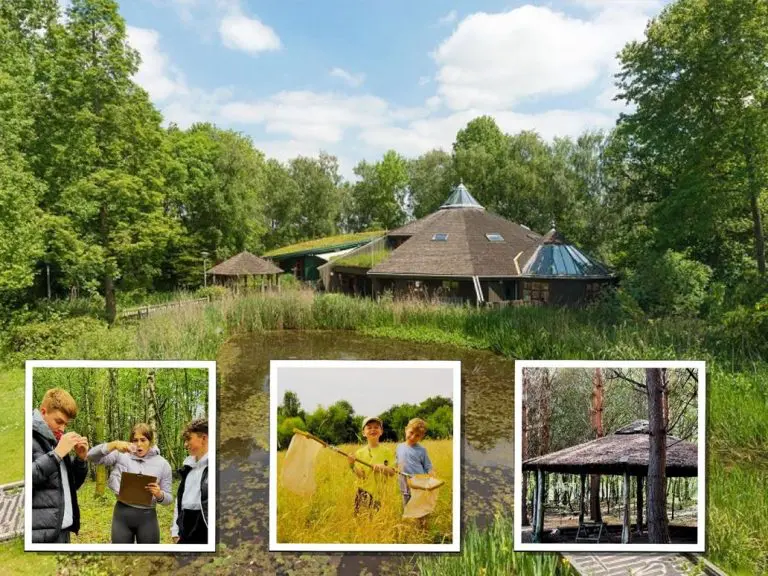
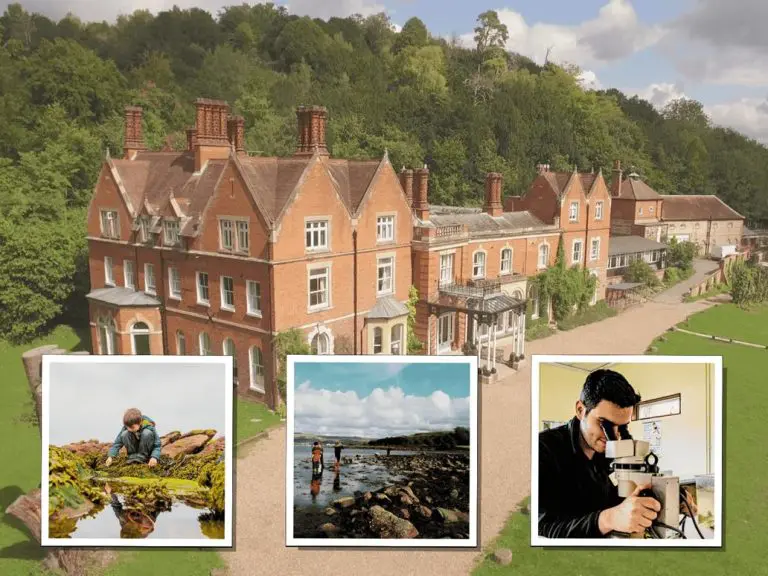
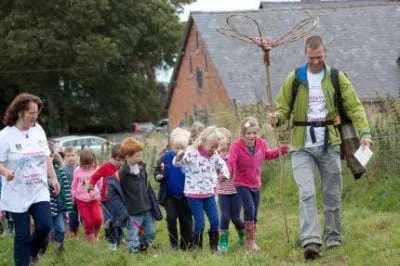
Pond dipping school trips for primary schools are a fun active outdoor educational enrichment learning experience that transforms a simple body of water into a vibrant, living classroom. Armed with nets and trays, pupils become miniature explorers, peering into a hidden underwater universe teeming with activity. There is nothing quite like the collective gasp of excitement when a primary school pupil discovers a camouflaged dragonfly nymph or a fast-moving water boatman for the first time. This hands-on adventure serves as a powerful tool for scientific inquiry, encouraging pupils to develop patience and fine motor skills as they carefully sweep their nets through the reeds. By observing these creatures in their natural environment, pupils build a lasting sense of stewardship and respect for the delicate ecosystems found in their own communities.
For educators, the pond provides a versatile setting that scales perfectly across the primary years. In EYFS (Nursery & Reception), the activity is a sensory-led introduction to “mini-beasts,” designed to spark curiosity and basic observation skills through the magic of discovery. As students move into Key Stage 1 (Years 1 & 2), the sessions become more intentional, aligning with science curriculum goals centred on identifying living things and understanding the basic requirements of a habitat. This progression ensures that the initial excitement of the pond evolves into a structured foundation for scientific classification and environmental awareness.
By Key Stage 2 (Years 3 to 6), pupils enter the “golden era” of pond dipping, where the water’s edge is used to tackle complex biological concepts. At this level, the pond serves as a laboratory for teaching food chains, where pupils can distinguish between predators and prey in a real-time environment. It is also the ideal setting for studying life cycles, such as the metamorphosis of a tadpole into a frog, and advanced classification. Using scientific keys, older students can identify specific species like dragonfly larvae or great crested newts based on their physical traits, making it a high-impact, low-stress day out that remains a highlight of the school year.
We have some fantastic venues that provides these fun, factual learning experiences including:
- Ferry Meadows Outdoor Education Centre Cambridgeshire: Offers curriculum-linked “Living Things and Their Habitats” sessions.
- Bickley Hall Farm (Cheshire Wildlife Trust): Features seven ponds, one of which is home to the protected Great Crested Newt. They use remote goosenecked cameras to magnify aquatic creatures for the whole class to see.
- The World Outside (Bodenham Arboretum) Worcestershire: Offers curriculum-linked sessions focused on “Habitats” and “Growing,” with activities including pond dipping and stream damming.
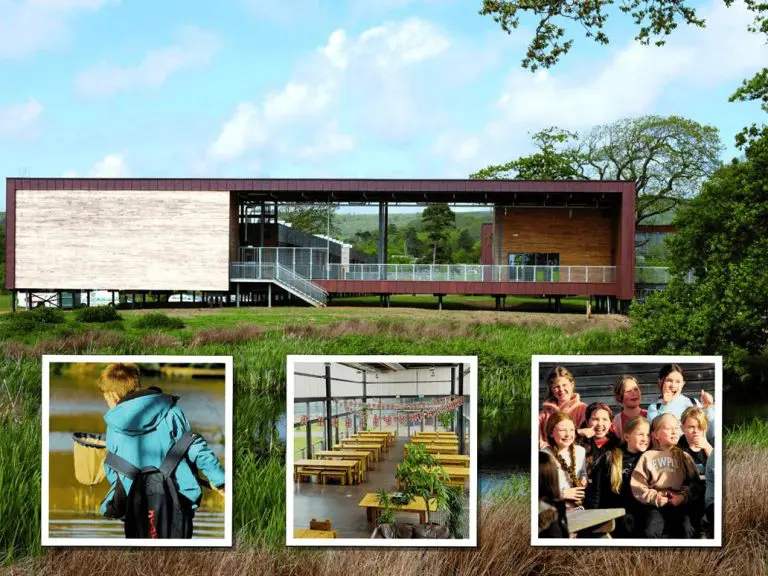
- Carymoor Environmental Education Centre Somerset: A unique nature reserve on a capped landfill site featuring a “Long Pond” and a dedicated dipping platform.
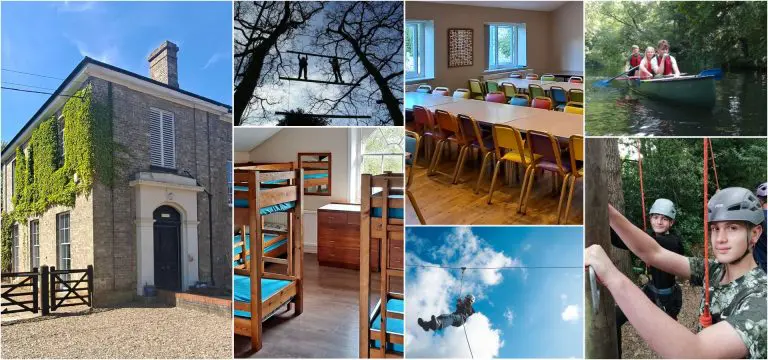
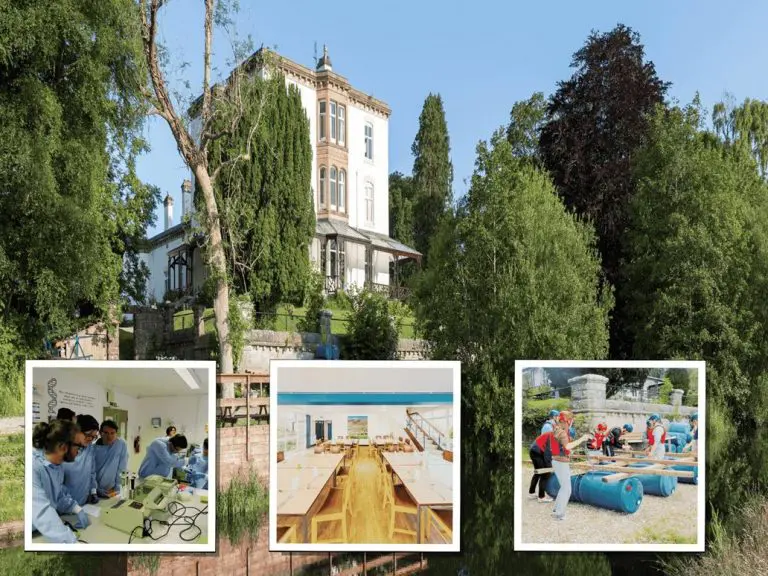
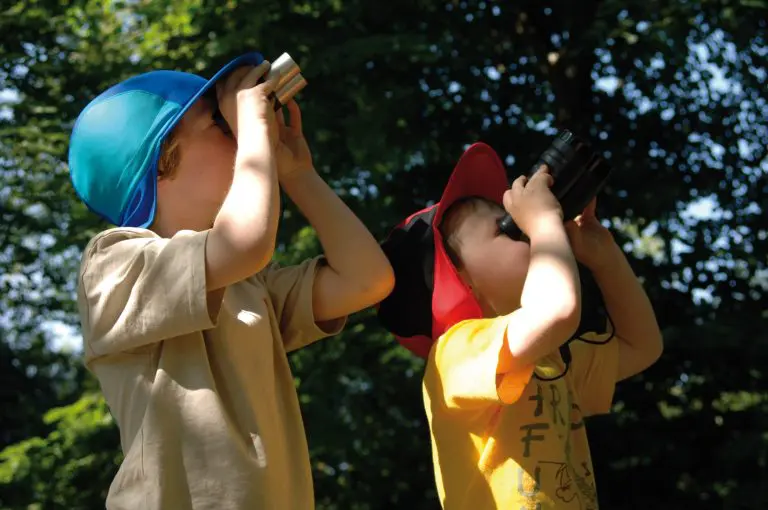
- Hautbois Outdoor Residential Centre Norfolk: Features a “Discovery Zone” environment hub where pupils can engage in bird watching and pond dipping on a 19th-century estate.
- Boundless Outdoors Bell Heath West Midlands: Provides Pond dipping as part of their KS1 and KS2 curriculum days to study specimens from local water sources and biodiversity.
- Staunton Country Park Hampshire: Offers guided pond dipping led by Education Officers, often used as an educational “reward trip” for primary schools.
- Preston Montford (Field Studies Council) Shropshire: Situated on the banks of the River Severn, providing a rich range of habitats and SSSI sites for aquatic study.
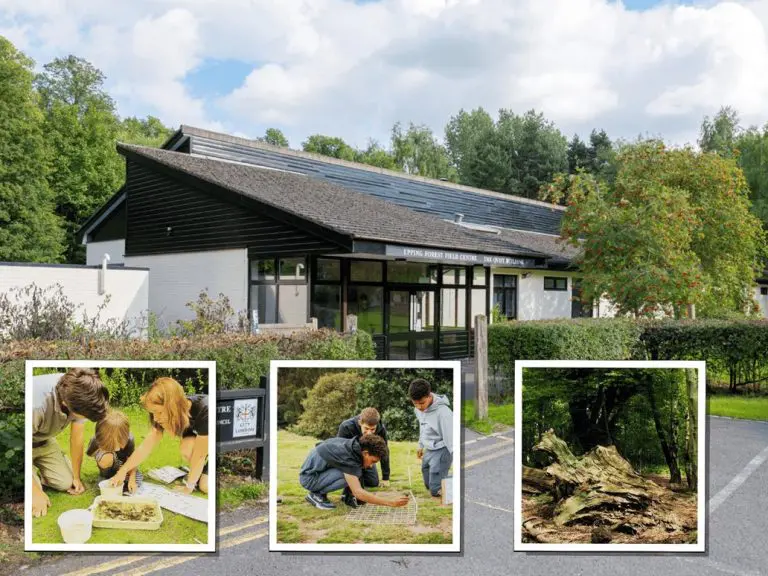
- Epping Forest Field Studies Centre (FSC) Essex: Offers teaching sites within woodland and riverbanks, specializing in classification and food chain workshops.
- Sayers Croft Surrey: A large residential and day-trip provider that includes pond dipping in their “Nature Studies” workshops.
- Lower Grange Farm Kent: A seasonal venue (April–September) where primary pupils search for creatures in the farm pond guided by instructors.
- The Wilderness Centre Gloucestershire: Located in the Forest of Dean, offering “Habitat Safari” packages that include aquatic explorations.
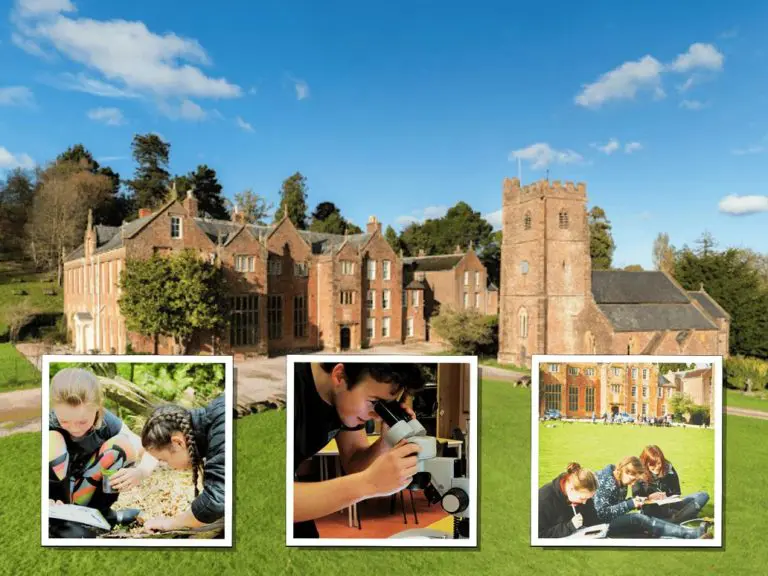
- Nettlecombe Court (Field Studies Council) Somerset: Provides age-appropriate classification keys and professional equipment for primary school field trips.
- Countryside Education Trust Beaulieu Hampshire: Located in the New Forest, this centre focuses on animal welfare and habitat exploration, including freshwater ecosystems.
See more centres listed below: