Whitehouse Farm Centre Park Visits and Wow Fun Days provides a wide range of curriculum-linked programs, where students of all abilities and ages can safely explore and connect with the natural world. School trips to Whitehouse are enriching, educational and exciting.
MONTHS OPEN
DAYS OPEN
AGE GROUPs
What does your farm offer for school trips
Whitehouse Farm Centre is the largest family run farm park in the North East. We have been specializing in educational visits since 1997. We are home to over one thousand traditional and exotic animals and have indoor and outdoor play options suitable for all ages.
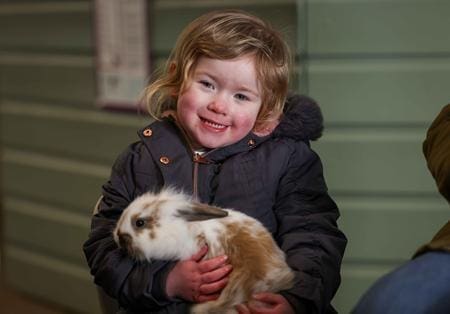
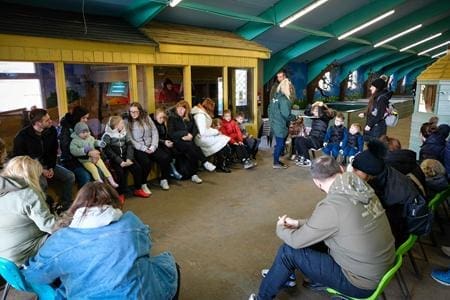
Our most popular educational visit is an all day guided trip. This is where our knowledgeable and friendly guides are with you all day, from meeting you at the bus, to dropping you back off. Our guides handle the whole day so teachers can relax and enjoy the day out too. Activities include small animal handling, meet and feed the large animals, tractor rides, bottle feeding lambs (seasonal) and access to all of our play equipment. This option includes an indoor space for lunch and animal food for everyone. We can adapt and customize each trip and ensure it fits into your current curriculum for the ultimate fun learning experience. Each trip is extremely hands-on and interactive, the day is so jam-packed with fun that the children won’t even realise they are learning.
Another option is a half day guided visit, this also includes free time in the afternoon. This option is better suited for older children who would prefer a bit more freedom to explore in the afternoon, or under 3’s who may benefit from a shorter day, or also school trips who come on a 1:1 basis with adults, who again may prefer free time in the afternoon. For this trip we focus on all the animal activities in the morning before lunch, leaving a couple of hours in the afternoon to either access our play equipment or see more of the animals. The guide will be with you for the small animal handling, meeting and feeding the large animals and the tractor ride, before dropping you off for lunch.
We also offer self-led visits. This is for smaller groups or those just wanting a bit of freedom. We have an extensive list of public activities daily and so you are still guaranteed a jam-packed day of learning and fun on a self-led trip. We can still arrange a quiet space for lunch and animal food for the guests. If your self-led group meets the minimum, we can also arrange a private petting session and tractor ride for the group.
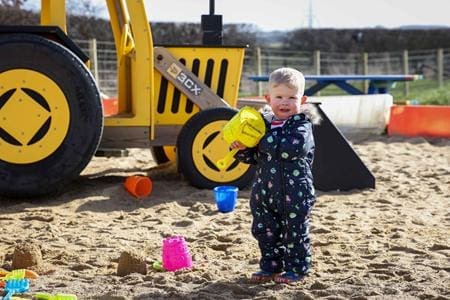
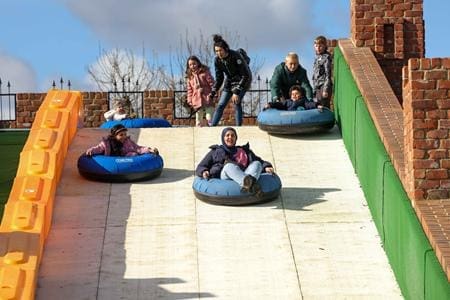
Our play equipment includes a softplay, adventure playground, bouncy pillows, go-carts, pedal tractors, tobbogan slide and trampolines!
Our public itinerary activities include small animal handling, critter encounters, groom a goat, meerkat talks and feeds and bottle feeding lambs. Any of these activities can be added to a guided tour.
We have a huge array of animals, including (but not limited to) cows, sheep, goats, horses, ponies, donkeys, pigs, reindeer, deer, coatimundis, wallabies, emus, alpaca’s, llama’s, small birds, parrots, rabbits, guinea pigs, mice, rats, chinchilla’s, monkey’s, a range of reptiles and much more.
What makes you a great choice for educational visits
Our educational visits are truly hands-on, giving visitors the chance to get fully involved in feeding, touching, and even holding a variety of animals. With interactive and immersive activities designed for all ages, from toddlers to teenagers, there’s something to captivate everyone. In fact, children will be having so much fun, they won’t even realise how much they’re learning.
We offer both indoor and outdoor play areas, along with indoor and outdoor animal spaces, ensuring a fantastic day out whatever the weather.
Every educational visit is completely customisable. Simply tell us what you’d like to focus on, and we’ll tailor the experience to suit you. Our head guides are degree-educated and deliver a high standard of on-site learning. Whether you’re looking for a more fun-focused day, a more education-driven experience, or the perfect balance of both, we’ll create a bespoke visit that meets your goals.
Our friendly and supportive team are always on hand to help, no request is too big, and we’re dedicated to making your visit as enjoyable and memorable as possible.
Awards, accreditations
LOtC
NFAN
KIWA
FFS
What is typically included on your school trips relating to Key Stage or Curriculum Topic info
We can tailor our trips to relate to your current curriculum. Our head guides are degree-educated and so you can feel confident that an educational experience will take place, no matter the age of the children.
Below are some common topics we cover for different year groups:
Early Years:
Understanding the World
- Learning about farm animals (names, features, sounds, habitats)
- Where food comes from (milk, eggs, vegetables, meat)
- Seasonal changes on a farm (lambing, harvesting)
- Life cycles (e.g. chick → chicken, calf → cow)
- Caring for animals and the environment
Communication and Language
- Learning and using new vocabulary (e.g. barn, tractor, wool, herd)
- Listening to and following instructions during activities
- Asking questions about animals and how farms work
- Storytelling (e.g. farm-themed stories like Old MacDonald)
Personal, Social and Emotional Development
- Building confidence through new experiences (e.g. holding an animal)
- Learning how to be gentle and respectful with animals
- Turn-taking and sharing during group activities
- Developing empathy and understanding care responsibilities
Physical Development
- Fine motor skills (feeding small animals, collecting eggs)
- Gross motor skills (outdoor play, farm trails, climbing areas)
- Hand-eye coordination through interactive tasks
Literacy
- Farm-themed books and storytelling
- Recognising animal names and sounds
- Early mark-making or writing about their visit
- Phonics links (e.g. “c” for cow, “p” for pig)
Mathematics
- Counting animals or eggs
- Sorting animals by size, type, or colour
- Comparing quantities (more/less, big/small)
- Simple measuring (e.g. feed amounts, animal sizes)
Expressive Arts and Design
- Animal role play and imaginative play (farm shop, farmer)
- Craft activities (making animal masks, barns, tractors)
- Exploring animal sounds, music, and movement
KS1/2
Science
- Identifying and classifying animals (mammals, birds, amphibians, etc.)
- Animal diets (herbivores, carnivores, omnivores)
- Habitats and adaptation to environments
- Life cycles (e.g. chickens, sheep, frogs)
- Basic anatomy and body parts
- Food chains and ecosystems (KS2)
- Human impact on the environment and sustainability (KS2)
Geography
- Where food comes from (local vs global farming)
- Types of farming (arable, pastoral, mixed)
- Land use and the role of farms in the countryside
- Seasonal weather and how it affects farming
- Environmental issues and sustainability
Design and Technology
- Farm-to-fork processes (e.g. how milk becomes cheese or butter)
- Food preparation and basic cooking skills
- Understanding tools and machinery used on farms
- Designing simple products (e.g. healthy meals, farm structures)
Mathematics
- Measuring and weighing (animal feed, produce)
- Data collection (e.g. tallying animals, egg counts)
- Graphs and charts based on observations
- Problem-solving using real-life farm scenarios
- Time (daily farm routines, feeding schedules)
English
- Descriptive writing about animals and farm environments
- Instruction writing (e.g. how to care for an animal)
- Story writing inspired by farm experiences
- Expanding subject-specific vocabulary
- Speaking and listening through discussion and questioning
PSHE (Personal, Social, Health and Economic Education)
- Responsibility and caring for animals
- Teamwork and cooperation
- Understanding food choices and healthy eating
- Respect for nature and living things
Art and Design
- Sketching animals and natural environments
- Exploring textures (wool, feathers, fur)
- Farm-inspired crafts and model-making
Physical Education (PE)
- Outdoor activities and movement around the farm
- Developing coordination and balance through practical task
High school age:
Science (Biology)
- Animal cells, tissues, and organ systems
- Nutrition and digestion (including animal diets and feed)
- Reproduction and breeding in animals
- Genetics and inheritance (selective breeding, traits)
- Ecosystems, food webs, and biodiversity
- Disease, health, and biosecurity on farms
- Human impact on the environment and sustainability
Geography
- Agricultural systems (intensive vs extensive farming)
- Food production and global food security
- Climate change and its impact on farming
- Land use and rural economies
- Sustainability and environmental management
Food Technology / Hospitality
- Farm-to-fork processes
- Food provenance and traceability
- Seasonal and local produce
- Food preparation and nutrition
- Ethical food choices (e.g. free-range, organic)
Design & Technology
- Farm machinery and modern technology (automation, robotics)
- Designing solutions to real farming problems
- Sustainable design and resource management
Business Studies
- Running a farm as a business
- Costs, profit, and supply chains
- Marketing farm products (e.g. farm shops, experiences)
- Diversification (e.g. tourism, educational visits)
PSHE / Citizenship
- Ethical treatment of animals
- Environmental responsibility
- Career pathways in agriculture, animal care, and conservation
- Teamwork, communication, and problem-solving
Mathematics
- Data handling (yields, growth rates, feeding ratios)
- Financial maths (costings, budgeting, pricing)
- Measurements and conversions in real-life contexts
Careers Education
- Insights into roles such as farming, veterinary work, animal care, conservation, and agribusiness
- Understanding pathways into land-based industries (college courses, apprenticeships)
Group sizes
For guided tours, we require a minimum of 20 children.
We offer one guide per class and so if multiple classes were in attendance, you would have a guide each.
Self-led tours have no minimum.
Photography, filming & audio restrictions
None
Risk assessment
We do provide it
Education officer details
Skye Hogarty
Pricing
£10.95/child
Free adults on ratios of:
1:4 early years
1:8 primary school
1:10 high school
1:12 college
Extra adults are £10.95/p
Clothing requirements
Autumn/winter visit – hats, scarf, gloves, waterproof winter jackets, wellies
Spring/summer visit – sun hat, comfortable shoes, rain coat, suncream
First Aid
We have qualified first aiders on site daily
Available facilities
Gift shop
Canteen
Indoor picnic area
Toilets
Changing places toilets
Sensory rooms
Disabled toilets
Baby change
Pocket money is not required, however you are able to access the gift shop if needed.
Accessibility & disabled facilities
Our staff are highly trained in SEN awareness.
We have a changing places toilet, sensory rooms, disabled toilets, a sensory audit, ear defenders, sensory bags, wheelchairs, mobility scooters, PEG blending service
A wheelchair accessible tractor ride and roundabout, smooth tarmacked flooring, one-level site, low-level enclosures, accessible activities, disabled parking.
Opening times
Tues-Sun 10am – 5pm: February, March, September, October
Mon-Sun 10am – 5pm: April, May, June, July, August
Closed: November, December, January
Testimonials